
EPISTLE VII: To The Ones Relearning God Outside of Survival
Dear Human Being, not Human Doing,
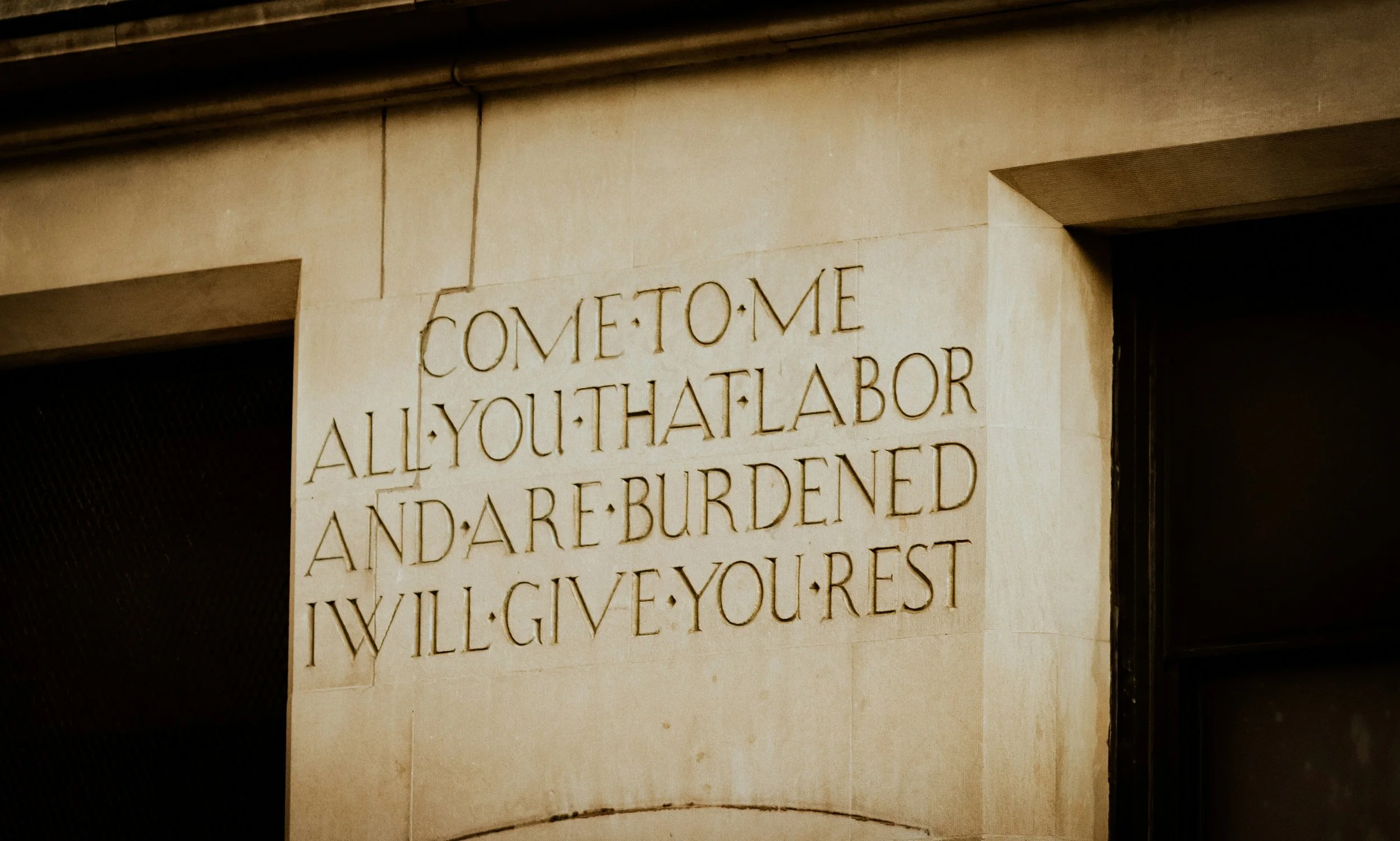
I know why you keep moving. I know why rest feels dangerous to you.
Maybe like me, you were raised by people who survived through labor — who were raised by people who survived through labor, and the generation before them too. People whose work ethic was their dignity. People who endured hunger, instability, displacement, grief and trauma by becoming useful before they ever became safe.
You inherited their resilience. But you also inherited their fear.
I need you to hear something from me that may take your nervous system years to believe: You do not have to collapse before you are allowed to rest.

EPISTLE VI: To The One Everyone Tried to Save — and the One Nobody Noticed Was Drowning
To the sibling who struggles with addiction & to the one who does not,
I watched Four Good Days recently and cried at the ending with the kind of relief that settles deep into the body. Molly survived. Somehow, after all the destruction, stress, chaos and exhaustion, she was still alive. And then I noticed, how it made me feel that her sister played such a small role and had no place in that happy ending. To me that significance buzzed louder in my emotional rollercoaster than the seemingly soft landing back at home with mom for Molly.
I realized while watching it that I have immense compassion for people struggling with addiction. But there is still one place in me where compassion catches in my throat.

EPISTLE V: To The Mother-Wound That Still Bleeds
To the child who feels like Mother’s Day is a day of mourning,
not because you didn’t love your mother, but because you could never seem to love her enough to stop the cycle.
I am with you in giving myself permission to express the hidden dread I feel from the cultural pressure of Mother’s Day.
If Mother’s Day feels complicated for you, you are not alone. Some of us are celebrating. Some of us are grieving. Some are estranged. Some are surviving memories no one else saw. Some are learning that forgiveness and boundaries are not enemies. Some of us are still in denial.
EPISTLE IV: To The Brain That Requires Scaffolding
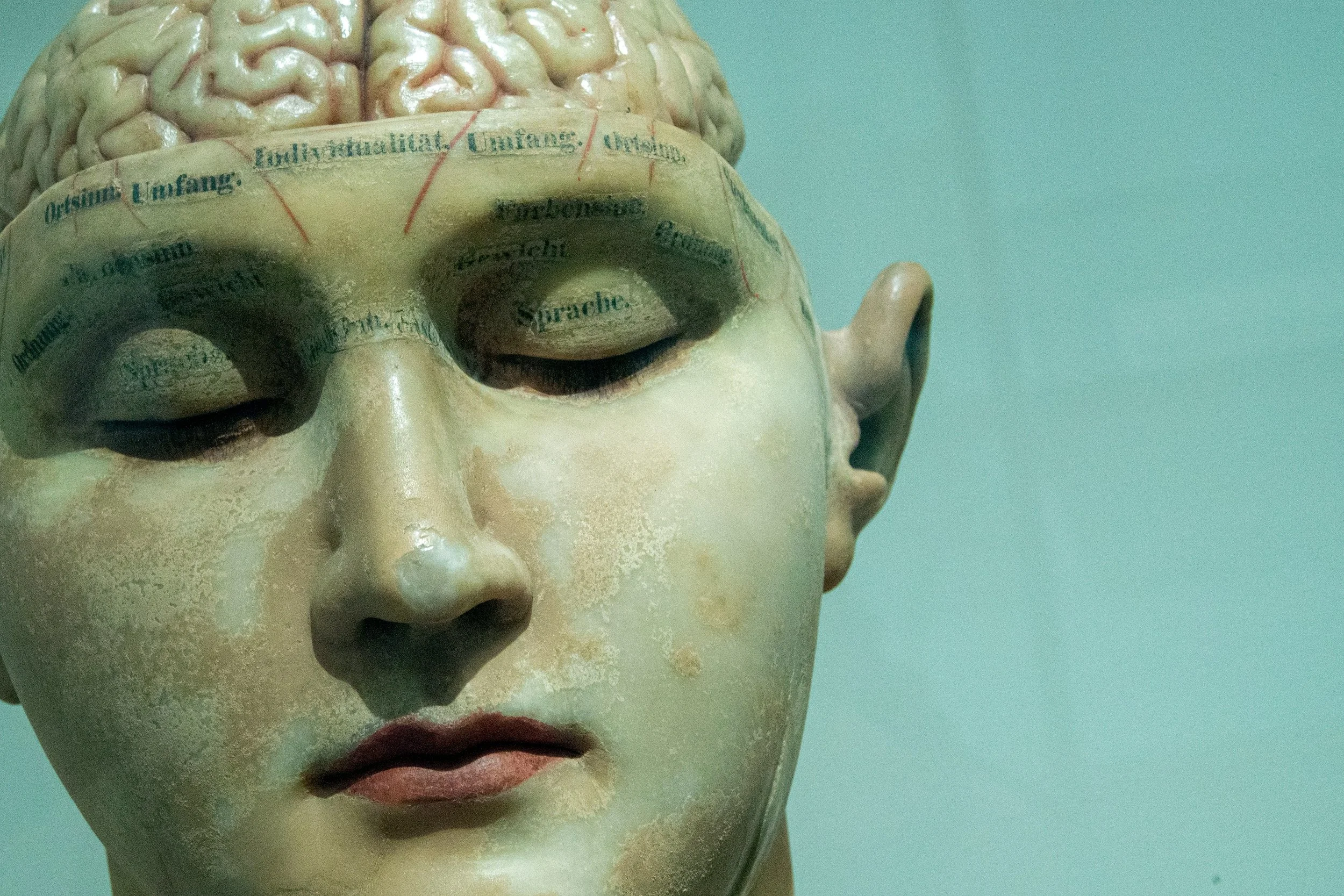
To the one whose strength is depleted in functioning “normally” in public but who is collapsing in private,
whose heart is heavy with a longing for a life you can’t seem to sustain. I ache with you too.
I am learning something I spent most of my life trying not to say out loud: I can be capable in certain areas of my life and still struggle deeply with maintaining the basic rhythms of home. I am writing to you from the middle of my mess, the midst of my cycle and the freefall of my slow collapse in hopes that you will not feel alone and we find connection in common here.

EPISTLE III: To The One Sitting At The Well
To the one whose story has more hard chapters than you know how to summarize —
whose life, if spoken plainly, feels like it might shift the room — I am with you and I am writing to you from my very own latest hard chapter.
To the one who has loved, and lost, and tried again. And then again.
To the one who now sits in spaces of faith with a quiet question lingering beneath the surface: What does this make me now?

EPISTLE II: To The One Who Survived By Letting Go
Beloved,
There are seasons the soul does not choose — only endures.
You remember what it cost you to make it through. Not everything was carried out intact. Some things were released in urgency, not because they lacked value or you wanted to let go, but because survival required it.

EPISTLE I: To The Burned Out Believer
To the one who still loves Jesus…
but no longer feels the fire you once carried — I see you.
Or maybe most importantly — He sees you.

The DUST+GLORY Letters Begin…
To the Weary Who Still Show Up,
Thank you for being here…
Why?
Because DUST+GLORY was shaped through lived experience — through seasons of deep mental health struggle, burn out, trauma, recovery, soul anguish and the long —oh so long — journey of learning what it means to be held by God when life does not feel safe. It was shaped through encounters in global missions, local church, peer support spaces, orphan care, and communities where compassion was not theoretical — it was essential for survival.